



Win Over Winter
Keep Your Pet Moving
Winters can make it harder for pets to stay active. Walks cut short in chilly winter weather and extra couch cuddles add up to less activity. Less activity leads to weight gain and muscle loss. Keeping pets moving and supporting muscle health in winter helps your dog stay strong and mobile year-round.

I hear the same story every winter: a pet who is active and playful during the warmer months suddenly is stiffer, has more difficulty getting up, or loses interest in outdoor playtime and activities. It can be easy to accept those changes, blame the cold weather and assume there is nothing to do during the winter aside from being a couch potato. There are fun indoor fitness activities you can do with your dog during winter. Not only will your dog stay active, but they will also stay lean and strong which is the best way to prevent injury, weakness in old age, and give your dog the best quality of life as they age.
MUSCLE IS THE FOUNDATION OF MOBILITY
Muscles support the joints and give dogs and cats the strength they need to jump into cars, go up and down steps, and have the stamina for long walks and dog play. Not only do dogs and cats lose muscle with less activity, age-related muscle loss, known as sarcopenia, occurs as pets age. You may notice a dog getting up more slowly, tiring more easily on walks or having less stamina. In cats, muscle loss may show up as less jumping, less interest in play or a little less spring in their step. Don’t dismiss these changes as simply part of getting older. They can be easy to overlook, especially during the winter when everyone is tucked in for the season.
THE WINTER MOBILITY TRAP
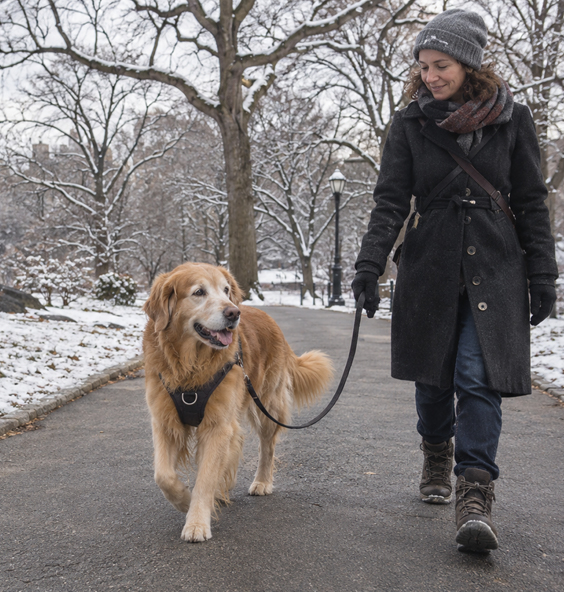
Shorter walks and less outdoor activity can cause pets to lose some of the strength they built during the warmer months. It is also the time of the year that dogs gain weight. That’s why I encourage pet parents to keep their dogs moving in winter. Try taking your pet on several short walks instead of one long walk on a freezing day.
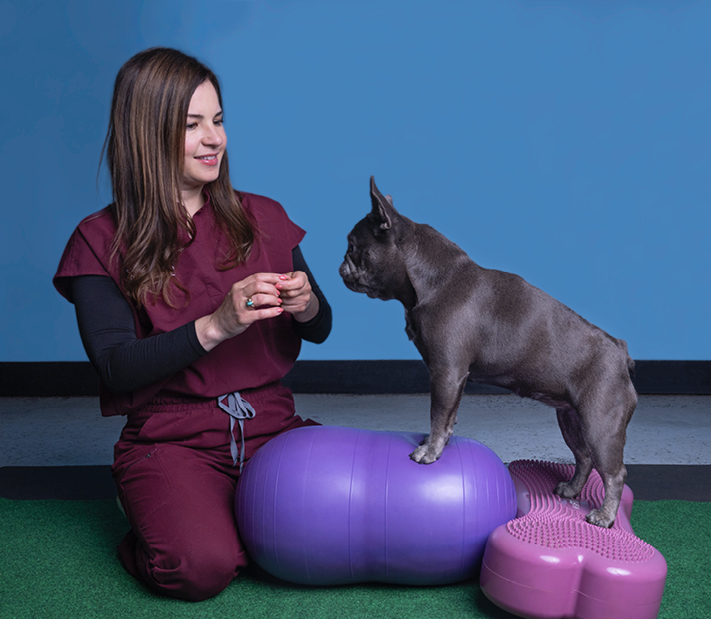
Strength exercises such as sit-to-stand squat repetitions, planks or using a peanut ball can provide low-impact ways to build muscle and balance.
Ice and snow can also increase the risk of strains, sprains and other injuries. When sidewalks are icy or the weather is particularly harsh, bring playtime indoors. Don’t overlook traction. Slippery sidewalks, ice and smooth floors inside the home can be difficult for pets who are already experiencing weakness or joint problems. Keeping nails trimmed and using rugs, yoga mats or runners on slippery indoor surfaces can provide added confidence and stability.
Don’t forget the treats! Positive reinforcement can make exercise more enjoyable for your pet as well as a bonding experience for both of you.
The goal is to create opportunities for movement without requiring your pet to spend an extended period outside in harsh weather. P
Give Your Pet a Warm-Up
A proper warm-up can make a big difference for your pet, just like it does for us. We wouldn’t expect ourselves to go from sitting on the couch to sprinting down the block without warming-up first.
Spend a few minutes getting your pet moving indoors. I often start dogs with cookie stretches, figure-eight movements or a short, controlled trot to activate their muscles. This can be especially important for senior pets and animals with a history of orthopedic problems.
If your pet is limping or showing obvious discomfort, don’t try to push through it. Talk with your veterinarian before continuing or increasing their exercise routine.
DON’T LET WINTER HIDE MUSCLE LOSS
Winter can hide muscle loss too! Thicker coats make it harder to see pets getting thinner along the back and hip area. That is a sign of muscle loss. Since many dogs also tend to gain weight in winter, you may not notice because the number on the scale doesn’t change.
A pet can maintain or even gain weight while losing muscle. That’s why I encourage pet parents to ask their veterinarian about a muscle condition score, or MCS, in addition to monitoring body weight. That is a great way to pick up on hidden pain, weakness, and injury and help your dog or cat before things get worse.
When it comes to strength, exercise is only part of the equation. Nutrition also plays an important role in supporting muscle health. For some of my patients, I recommend MYOS PET, a food topper containing Fortetropin, a natural bioactive ingredient derived from fertilized egg yolk. Research in dogs has examined its role in supporting muscle health and recovery. I even use this supplement with my own cat, and I’ve noticed improvements in his strength, mobility and activity level.
A nutritious, balanced diet can help support muscle health, but supplements should not replace regular movement, appropriate nutrition or veterinary care. Every pet has different needs, so it’s important to work with your veterinarian to determine what is right for your animal.
MAKE WINTER A SEASON OF STRENGTH
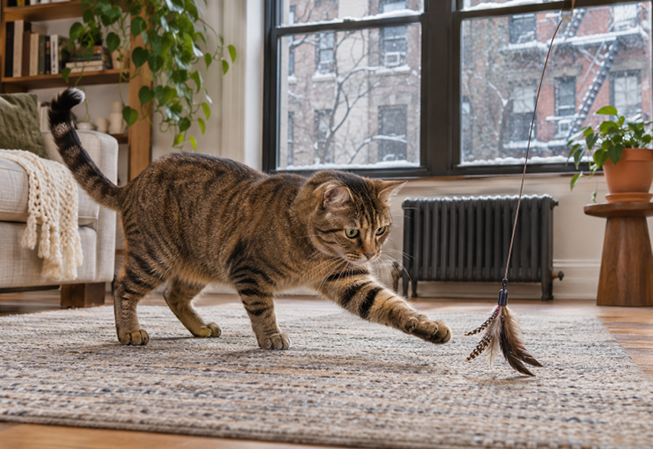
The goal isn’t to turn your dog into a canine athlete or your cat into an indoor Olympian. It’s simple: Keep them moving safely and consistently to avoid weight gain, muscle loss, and prevent injury.
Pay attention to the small changes. Everyday behaviors can be among the earliest signs that a pet’s muscle health or mobility is changing, and winter can make those changes easier to overlook.
Cold weather doesn’t have to mean a season of inactivity. A few minutes of movement before a walk, shorter but more consistent exercise, and attention to muscle condition and nutrition can make a huge difference in your pet’s health.
Protecting muscle isn’t just about getting your pet through winter. It’s about helping them stay strong and healthy for all the seasons still to come.
About Dr. Fishman:
Dr. Kelly Fishman, DVM, CVA, CCRT, is a leader in veterinary sports medicine and rehabilitation. As founder of Strut Animal Mobility Specialists and a veterinary advisory board member at MYOS PET, she integrates nutrition, fitness, and advanced therapies to enhance mobility and long-term health in dogs and cats. Specializing in post-injury recovery, sports performance, and aging care, she equips pet parents with essential tools for their animals’ well-being. Fishman earned her veterinary degree from Ross University, trained at the University of Florida, College of Veterinary Medicine. Fishman has advanced expertise in pain management, mobility, rehabilitation, and sports medicine for animals.
Protecting muscle isn’t just about getting your pet through winter. It’s about helping them stay strong and healthy for all the seasons still to come.
Instagram @StrutAnimal www.instagram.com/strutanimal/
Facebook @StrutAnimal www.facebook.com/StrutAnimal/
LinkedIN www.linkedin.com/in/kellyfishman/
Website: strutanimal.com & myospet.com