



Beat The Heat
Spot Pet’s Guide To Summer Pet Safety And Heat Exhaustion
Summertime brings plenty of opportunities for fun in the sun, but rising temperatures also introduce serious health risks for our furry companions. Pets don’t regulate heat the same way humans do, making them highly susceptible to heat-related illnesses. When a pet’s body temperature climbs too high, it can quickly escalate from mild heat stress to moderate heat exhaustion, and ultimately to life-threatening heat stroke.
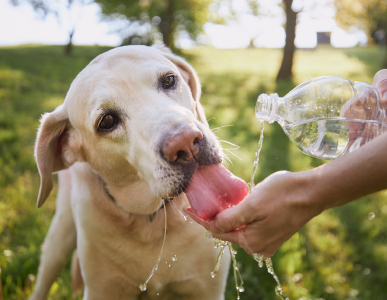
Some pets are at an even higher risk. Brachycephalic breeds (like pugs and French bulldogs) face distinct challenges cooling down due to their short muzzles. Similarly, very young pups, senior pets, thick-coated breeds, or those managing conditions like obesity and heart disease require extra vigilance.
Recognizing The Signs Of Overheating
Recognizing the subtle, early signs of heat stress can save your pet’s life. Keep a close eye out for:
• Heavy panting or labored breathing
• Excessive drooling or thick saliva
• Dry or bright red gums
• Restlessness, frequent stopping, or lying down during walks
• Vomiting or diarrhea
• Lethargy, dizziness, or muscle tremors
If your pet collapses or shows severe distress, seek veterinary care immediately.
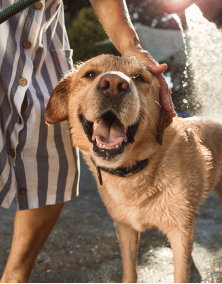
Tips To Keep Your Pets Safe Fortunately, a few simple precautions can ensure your pet enjoys a safe, happy summer:
1. Provide Constant Water and Shade: Ensure your pet always has access to ample drinkable water and a cool indoor area or shaded retreat. For an extra hydration boost, try switching your pet to wet food during the summer months.
2. Adjust Exercise Routines: Avoid strenuous exercise and limit outdoor activities to the cooler morning or evening hours. Avoid prolonged exposure to hot surfaces like pavement or sand, which can severely burn sensitive paws.
3. Never Leave Pets in a Parked Car: Even with the windows cracked, cars heat up dangerously fast. Leaving a pet in a parked car for even a few minutes can lead to fatal heat exhaustion.
4. Protect Their Coats and Skin: Never shave your pet’s fur; their coats have insulating properties that naturally slow down heat absorption. Instead, stick to frequent brushing. To protect against sunburn and skin cancer, apply pet-specific sunscreen to exposed areas like the nose and ears every few hours.
If you suspect your pet is overheating, move them to a cool area. Pour cool (not freezing) water over their head, stomach, and paws, offer water to drink without forcing it, and contact your veterinarian right away.
For more information visit spotpet.com