





The Chocolate Queen of SoHo
Maribel Lieberman’s Sweet Success
Twenty-five years after opening her flagship, the visionary behind MarieBelle New York continues to build an international business with a distinctly personal touch.
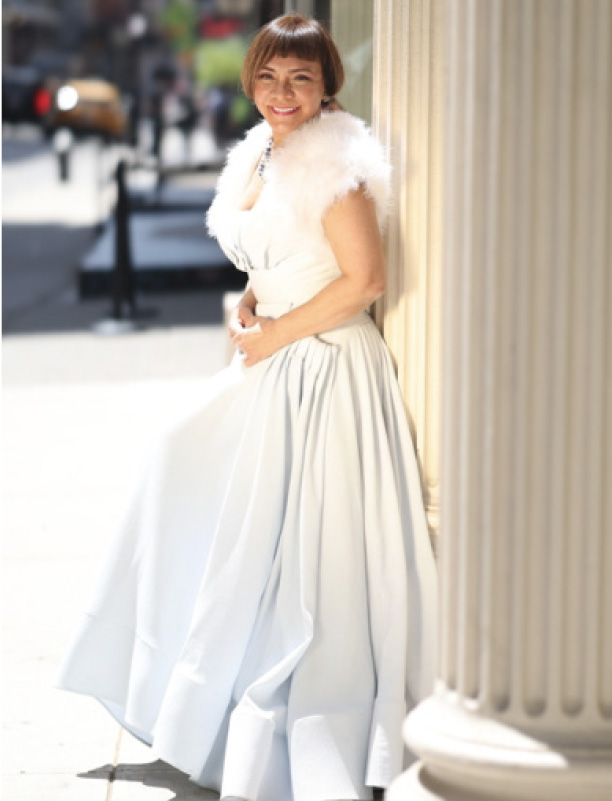
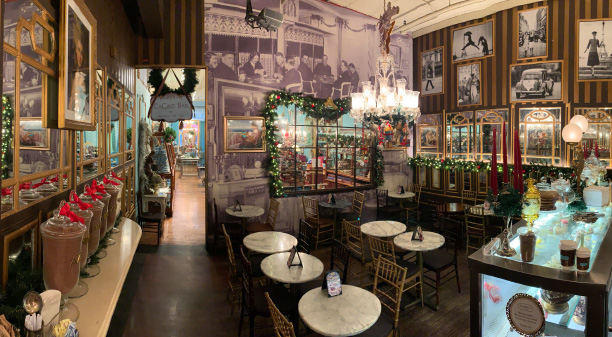
On Broome Street in Soho, where fashion boutiques and galleries compete for the attention of passersby, a small blue box can carry an entire New York story. Inside MarieBelle New York, meticulously handcrafted ganache and truffles sit in carefully arranged displays beneath crystal chandeliers. Antique furnishings, mirrored details and a distinctly European sense of ceremony offer an invitation to slow down. Beyond the boutique, the intimate Cacao Bar serves thick Aztec hot chocolate in surroundings that suggest another era. It is an unusual combination of retail, art and hospitality, and it remains unmistakably Maribel Lieberman.
In 2026, the entrepreneur is celebrating 25 years since first opening her Soho flagship in 2001. What began as a singular destination for fine chocolate has grown into a business with a wider Manhattan footprint, a production operation in Brooklyn and a presence in Japan. For Maribel, the milestone is about more than surviving in one of the world’s most competitive retail cities. It is the story of turning a personal aesthetic into a recognizable brand without losing the intimate experience that made customers take notice in the first place.
Mariebel’s path to Broome Street began far from Manhattan. Born in Honduras, the youngest of eight children, she grew up surrounded by the practical creativity of a family that knew how to make things by hand. Her mother was a seamstress, and her childhood included an early lesson in commerce. Wanting caramels instead of the candies available to her, she arranged to have them made at home and sold them to other children. The enterprise was modest, but the impulse was revealing: Find something appealing, make it distinctive and understand what people are willing to buy.
As a teenager, she left Honduras for the United States, eventually settling in New York. She studied fashion at Parsons and worked in the industry, developing an appreciation for color, proportion and presentation. Food, however, increasingly occupied her imagination. The city offered a seemingly endless education in ingredients and culinary traditions, from neighborhood markets to ambitious restaurants. She began entertaining, then catering, and launched Maribel’s Gourmet Cuisine in the 1990s. Her experience helped establish an approach that still guides MarieBelle: Taste matters, but so does the atmosphere in which something is offered.
The transition to chocolate was neither obvious nor conventional. In 2000, Lieberman opened Lunettes et Chocolat in Nolita, an inventive concept pairing eyewear with gourmet confections. A year later, she established the Soho flagship and its Cacao Bar. Rather than build a conventional candy shop, she imagined chocolate as a complete design experience. Her boutique would combine elegant interiors, beautifully conceived packaging and confections intended to engage the eye as much as the palate.
It was an idea exceptionally well suited to New York. The city appreciates the unusual, and MarieBelle offered a product that could be a personal indulgence, a hostess gift or a keepsake of a special occasion. The brand’s signature ganaches became miniature canvases, decorated with colorful images and presented in distinctive blue boxes. Some early designs drew on the artwork of Lieberman’s husband, Jacques Lieberman, an abstract painter. Others reflected fashion, romance and the visual energy of the city. Beneath the decoration were carefully balanced chocolate flavors, the foundation of a business that had to deliver on taste as well as appearance.
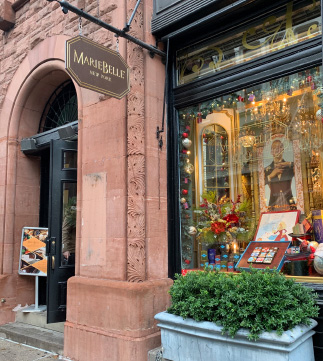
Recognition came early. MarieBelle appeared on Oprah’s Favorite Things list in 2002, giving the emerging company exposure beyond its downtown neighborhood. In 2004, it opened a production facility in Greenpoint, Brooklyn, creating an operational base for a growing assortment of ganaches, truffles, bars and drinking chocolates. The business would expand, but its identity remained grounded in Lieberman’s belief that a chocolate box should feel considered from its first impression to its final piece.
A quarter-century later, the Soho boutique at 484 Broome Street still serves as the brand’s emotional center. Its chandeliers and antiques distinguish it from the more minimalist stores around it, while the Cacao Bar creates a reason to linger rather than simply make a purchase. Visitors can sit down over hot chocolate, coffee or a sweet treat and take in a room that feels closer to an old-world salon than a modern counter-service cafe. The shop has become part of the neighborhood’s character, offering both visitors and longtime New Yorkers a small escape from the city’s pace.
Yet Maribel has never treated the flagship as the limit of the business. MarieBelle opened a boutique at the Kitano Hotel on Park Avenue in 2017, introducing its chocolates to a Midtown setting frequented by travelers and New Yorkers alike. In 2023, it arrived at The Pierre on Fifth Avenue, extending the brand to the Upper East Side. These hotel locations have expanded MarieBelle’s presence across Manhattan while placing its gift collections in environments where service, presentation and a sense of occasion are already part of the experience.
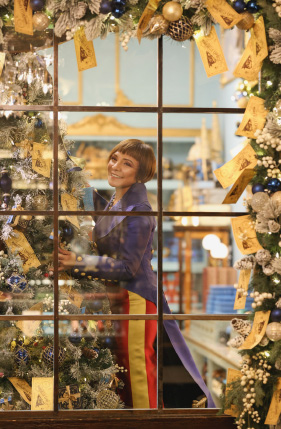
An even more ambitious chapter has unfolded across the Pacific. MarieBelle established a foothold in Kyoto in 2012, bringing its New York sensibility to a country with a sophisticated culture of confectionery and gift giving. Cacao Market followed in Kyoto in 2013, offering a more rustic, market-inspired interpretation of the brand. The concept expanded to Tokyo and Ishigaki in 2016, with the most recent opening being a store in Shibuya Tokyo in October 2026. Each location offered a way to connect the original MarieBelle identity with different settings and tastes rather than simply duplicate the Soho shop.
In Osaka, MarieBelle The Lounge at the Daimaru Shinsaibashi department store extends that idea into hospitality. Chocolate-based desserts can be paired with Champagne and wine selected by Lieberman, beneath a dramatic chandelier. The contrast between this polished lounge, Kyoto’s boutiques and the more relaxed Cacao Market concept illustrates the flexibility of the business. Japan has become not merely another market for MarieBelle chocolates but a setting in which the founder can explore different ways to present them.
For Maribel, the details have also opened an important avenue in personalized gifting. MarieBelle’s custom chocolates can feature artwork, corporate logos or other images applied to its signature ganaches. Boxes can be tailored with specially designed sleeves, inserts, flavor guides, ribbons and tags. The possibilities range from wedding favors and birthday celebrations to product launches, corporate occasions and client gifts. In a city where businesses and individuals continually search for memorable gestures, Lieberman has made customization an extension of the brand’s artistic identity.
The idea goes beyond putting a name on a product. A box of chocolates can reference an event, capture a visual theme or become part of a celebration’s design. For a founder trained in fashion, that is a natural progression. Chocolate becomes another medium through which color, imagery and personal expression can be communicated. It is also a practical business proposition: Thoughtful customization allows a luxury confectioner to serve clients who want something more individual than a standard gift basket.
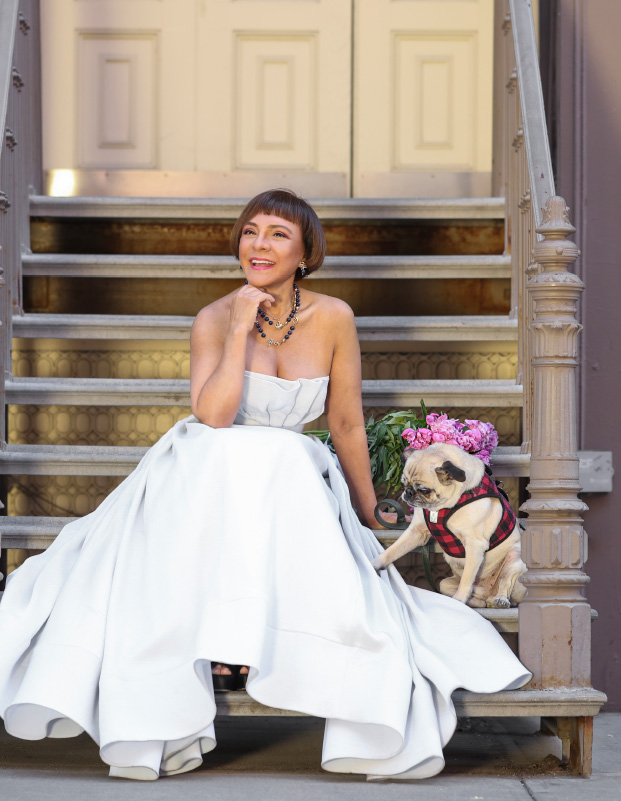
Lieberman’s creative life, however, has never ended at the chocolate counter. In 2024, Rizzoli published her 240-page book, MarieBelle Entertains: Savory and Sweet Recipes for Every Occasion from the Master Chocolatier. Rather than focus exclusively on sweets, she broadened the view to encompass the art of hosting. The book includes table settings, menus and recipes shaped by her Honduran heritage and travels, with photography from locations including Honduras, France, Spain, Italy and the United States.
Its dishes reflect the same curiosity that drew Lieberman into New York’s food scene. Readers encounter yuca fritters, mahi mahi with pineapple and cilantro, short ribs with chocolate sauce, matcha truffles and molten chocolate cakes. The settings range from informal gatherings to elegant dinners, offering a glimpse of how she thinks about bringing people together. Even the volume’s chocolate-brown page edges echo the presentation of a MarieBelle gift box. The book suggests that her real subject has always been hospitality, with chocolate as one particularly expressive chapter.
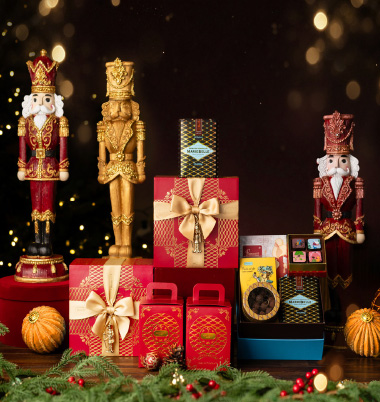
That connection between food and celebration moves into sharper focus as the holidays approach. MarieBelle’s 2026 Christmas collection dresses its signature ganaches in crimson and gold, with festive packaging featuring a Nutcracker motif and keepsake details. Offerings range from petite gift boxes to generous 25-, 36- and 100-piece assortments, alongside dark chocolate truffles, peppermint treats, ganache cake and Aztec hot chocolate. They are designed for different scales of holiday giving, from a small exchange to an elaborate family gathering or corporate presentation.
This year’s seasonal selection also celebrates the city where it all began. The New York City Holiday Collection includes handcrafted ganaches and gift packaging inspired by familiar local imagery, with specially presented nine- and 16-piece boxes, peppermint dark chocolate and hot chocolate. Beyond Christmas, the wider holiday shop includes Thanksgiving chocolates and a Hanukkah ganache collection. The range reflects Lieberman’s understanding of New York’s many traditions and the role a beautifully packaged confection can play in each of them.
Looking ahead, Lieberman’s challenge is also her opportunity. MarieBelle must continue to grow while maintaining the singular character of the shop that established its name. Its Manhattan boutiques, Japanese destinations, personalized collections and cookbook point to a business that is larger than a single product. But on Broome Street, beneath the chandeliers and behind those familiar blue boxes, the original proposition remains wonderfully simple: Chocolate should taste beautiful, look beautiful and give people a reason to come together.
For more information,
please visit: www.mariebelle.com
inquiries to: corporate@mariebelle.com